
Home Equity Loan vs. Line of Credit: Which Option Is Right for You?
Home equity loans work best for one‑time, fixed costs and stable payments, while HELOCs fit phased or uncertain expenses but add payment and rate risk if you overspend or rates rise.
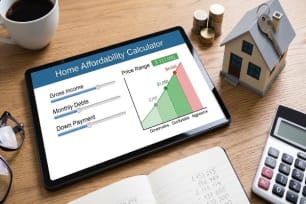
Home Affordability Calculator
Use this home affordability calculator to turn your income, monthly debts and down payment into a home price you can realistically afford. Below, we walk through each field, explain every number in your results and show how lenders read the same math.

When to Refinance Your Mortgage: A Comprehensive Guide
Understanding mortgage refinancing helps you secure the right funding for your future financial goals.

First-Time Home Buyer Checklist
Buying your first home is an exciting milestone but can also feel overwhelming. Buyers must navigate mortgage options, find the right property, manage closing logistics, and coordinate moving in.

How Your Debt-To-Income Ratio Affects Your Mortgage
This guide explains how your debt-to-income ratio affects your mortgage — from your approval odds to the rate you're offered — and the steps you can take to improve it before you apply.

Mortgage Points: What They Are and When They Make Sense
Understanding mortgage points can be the difference between paying thousands more or less in interest over your loan's lifetime.

How To Avoid Private Mortgage Insurance (PMI)
From 20% down payments to government loan programs, multiple strategies can eliminate PMI.

How to Get Approved for a Mortgage With Bad Credit
Having bad credit doesn't mean you can't buy a home.

13 First-Time Homebuyer Mistakes To Avoid
Buying your first home is one of life's biggest financial decisions—and it's surprisingly easy to make costly mistakes.

How Does a VA Loan Work?
Serving your country takes sacrifice, so the government rightfully established several benefit programs to recognize your dedication.

Your First-Time Homebuyer Guide: 12 Steps to Owning Your Dream Home
Buying your first house is a major life milestone and financial transaction.

What Is Mortgage Insurance and How Does It Work?
When buying a home with less than 20% down, you'll likely encounter mortgage insurance—a cost that protects your lender but adds to your monthly payment.

Fixed vs. Adjustable-Rate Mortgage: What’s the Difference?
Understanding fixed vs adjustable rate mortgage options helps you choose the right financing for your home purchase.

How to Choose the Best Mortgage Lender: 9 Steps to Save Thousands
Choosing the right mortgage lender is one of the most important financial decisions you'll make as a homebuyer.

Balloon Mortgage: What It Is, How It Works, and the Risks
Understanding balloon mortgage options helps you evaluate unique financing structures with lower initial payments.

The Average Down Payment by Region (And How to Beat It)
For years, the down payment has been the biggest thing standing between renters and a mortgage. That's starting to change.

What Is a Mortgage and How Does It Work?
Learn what a mortgage is, how payments and amortization work, which loan types fit common situations, and how to shop smarter before you apply

How to Use Your Home Equity: A Practical Guide for Homeowners
Learn how home equity works and compare loans, HELOCs, and cash-out refinancing. Then decide when tapping equity supports your goals.

How to Get a Mortgage: A Step-by-Step Guide
Getting a mortgage is an important step when you need to buy a home, as few people can afford to pay for a house entirely in cash.

Mortgage Pre-Approval: Your Guide to a Smoother Home Buying Journey
Navigating the home-buying process can feel overwhelming, especially for first-time home buyers.

Mortgage Approval Process: How Does It Work?
Getting a mortgage can feel overwhelming, especially if you're buying your first home.

What Is a Second Mortgage and How Does It Work?
A second mortgage can be a powerful financial tool when you need to access your home's equity for major expenses.

What is a Manufactured Home?
Also known as “prefab” or prefabricated homes, manufactured homes are built in factories. Unlike traditional homes, which are constructed on-site with a permanent foundation, manufactured homes are put together on a temporary chassis and then transported to the site where they are installed.

A First-Time Buyer's Guide to Choosing a Home
Knowing what to look for when buying a house means matching the right property type, size, and budget to your actual life — not following a one-size-fits-all checklis

12 Ways To Get a Lower Mortgage Rate
Even a 1% rate difference can translate into tens of thousands of dollars over the life of a loan. For example, on a $400,000 30-year mortgage, moving from 6.5% to 7.5% can mean roughly $95K–$100K in additional interest, depending on fees and exact loan terms.

The American Dream is Not Dead: Why 85% of Americans Still Aspire to Homeownership
If you judge the housing market solely by recent headlines, you might conclude the "American Dream" of homeownership has flatlined.

Should You Use Your VA Loan Benefit? The Real Math Behind the Choice
You've served your country, earned your Certificate of Eligibility (COE), and are finally ready to buy a home. But when you sit down with your real estate agent, you hear a disheartening warning: Sellers in this market prefer conventional loans or cash. A VA offer might get pushed to the bottom of the pile.

Mortgages for Investment Properties: What You Should Know Before Buying a Rental
Investment property loans cost more and require stronger credit, bigger down payments, and solid reserves, but they can build long‑term wealth if you buy conservatively and stress‑test cash flow.
How to Get Low Mortgage Rates in 2026
In 2026, mortgage rates remain one of the most important factors in the cost of buying or refinancing a home. Even a 0.5% difference in rate can mean paying or saving tens of thousands of dollars over the life of your loan. That’s why understanding how to get a lower mortgage rate is key to smart home financing.

First-Time Homebuyer Financial Assistance 101
Buying your first home can feel overwhelming. Finding the perfect home, putting together a down payment, and getting approved for a mortgage - it’s a lot of work and the financial burden adds up quickly. The good news is that first time buyers have special programs designed just for them. We’ll explain everything you need to know about how to qualify for them.

How Much Does It Cost to Refinance a Mortgage?
Refinancing typically costs 3% to 6% of your loan, often $9,000 or more on an average mortgage, and most of that goes to fees you can actually shop around for or negotiate down. Whether it's worth it comes down to how long you'll stay in the home versus your break-even point.

Can You Get a Mortgage With Student Loans? What Lenders Really Look For
Student loans don't disqualify you from getting a mortgage, but how your lender calculates your qualifying payment can vary significantly by loan program. Comparing programs like Fannie Mae, FHA, and VA loans, and getting pre-approved early, can make the difference between approval and denial.

Zero Down Payment Home Loans: How to Buy a House With No Money Down
Zero-down home loans let you finance 100% of a home's purchase price, but closing costs, higher interest, and cash reserve requirements still apply. Choose the right loan type for your situation and make sure you can cover the costs that come after closing.

12M Loans Qualify for a Mortgage Assumption: Here’s How to Inherit a 3% Rate
A low mortgage rate can feel like a thing of the past, unless you can take over one that already exists. That’s the appeal of an assumable mortgage. Instead of applying for a brand new loan at today’s rates, a buyer may be able to step into the seller’s existing mortgage, including its lower interest rate and remaining loan terms.