- Home/
- Pet Insurance/
- Pet Insurance That Lets You Visit Any Vet: Flexibility and Freedom Explained
Pet Insurance That Lets You Visit Any Vet: Flexibility and Freedom Explained
June 7, 2026
June 7, 2026
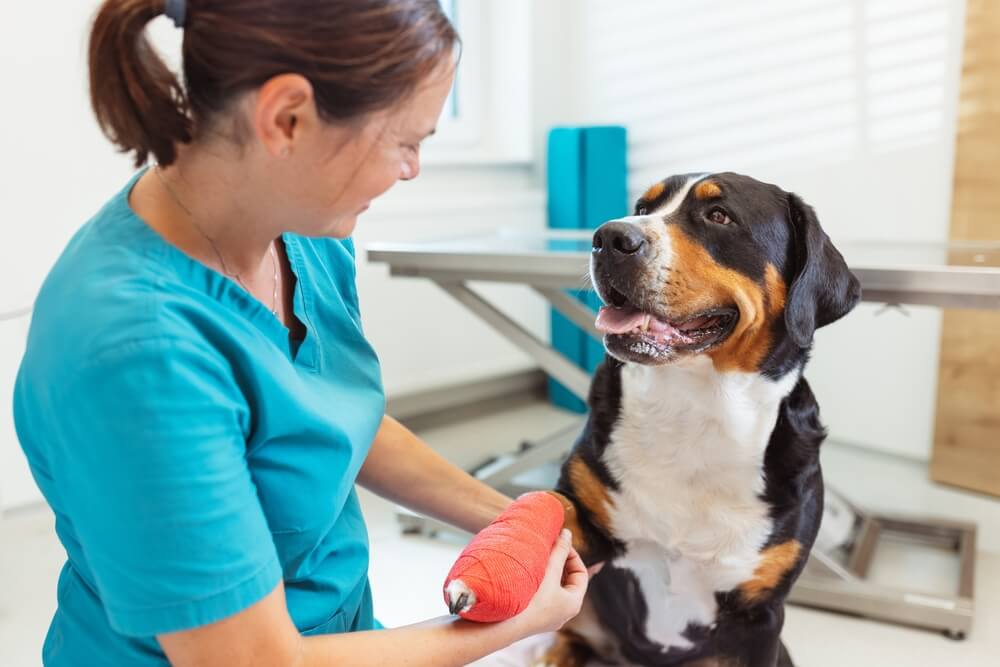
Once you buy coverage, you’re usually free to visit any licensed veterinarian. Whether you take your pup to a local vet for an allergy shot or see a vet a few states away while you’re traveling, most pet insurers will let you submit a claim for reimbursement.
Let’s take a closer look at how pet insurance compares to human insurance as well as the ins and outs of the reimbursement process, and what to know before submitting a claim.
Unlike many human health insurance plans, most modern pet insurance providers operate on a simple reimbursement model.
This means your coverage won’t be limited to HMO or PPO networks. You’ll have the freedom to seek care from any licensed veterinarian in the U.S. or Canada, so you can always stick with a vet you know and trust.
While human health insurers will pay your doctor directly after you meet your deductible, most pet insurers require you to pay your vet bill upfront. Then, you can file a claim and quickly get reimbursed for your pet’s care.
Usually, you don’t have to ask a vet if they “accept” pet insurance.
Since many pet insurance policies reimburse the pet owner rather than paying the vet directly, the veterinarian generally does not need to accept the insurance in the same way a physician’s office accepts human health insurance.
A better question to ask your insurer is if you can use any licensed veterinarian, emergency clinic, or specialist. In most cases, the answer will be, “yes.”
“Then ask your vet for the documentation you’ll need for claims, such as itemized invoices, medical records, diagnosis notes, and proof of payment,” adds Jude.
Here’s a breakdown of the differences between human insurance and pet insurance.
Human Insurance | Pet Insurance | |
Provider Networks | Usually limited to in-network doctors through HMO or PPO plans | No plan networks; most policies let you visit any licensed vet |
Coverage Restrictions | Prior authorizations and network rules | Fewer restrictions but pre-existing conditions are typically excluded |
Geographic Flexibility | Coverage may be limited due to network and location access | Most plans help cover visits to any licensed vet in the U.S. (and in some cases, Canada) |
How Bills Are Paid | Insurer pays the bill directly once you meet your deductible | Pet owner pays the vet bill upfront and submits a claim for reimbursement |
Claims Process | Healthcare providers handle claims | Pet parent usually submits the claim online or via a mobile app |
While some top pet insurance companies offer to pay vet bills directly, most of them follow a reimbursement model that involves these steps.
You take your pet to any licensed veterinarian. They receive the care they need for their accident, illness, or preventive health needs.
After the vet sees your pet, pay for the bill at the front desk. Most vets accept a variety of payment methods, including cash, checks, credit or debit cards, and digital payment apps like Apple Pay and Google Pay.
Next, submit a claim form to your pet insurer. You can usually do this online, through the app, or by mail. Be prepared to share the following information:
Pet name and breed
Medical history
Date of the vet visit
Reason for the visit
Vet’s name, location, and phone number
Any relevant medical diagnoses
Proof of payment
In most cases, you’ll also need to attach documents like a copy of the itemized invoice and any relevant medical records.
Reimbursement times vary by pet insurance company but anywhere from 10 to 15 days is typical. Some insurers might take up to 30 days. You can usually track your claim status on the website or mobile app.
Upon approval, you’ll receive a payment based on your reimbursement level, which will likely be between 70% to 90% of the total bill minus your deductible and any annual limits that apply. Most pet insurers will pay you via direct deposit but you may also seek payment via check.
Pro Tip: If you don’t have the cash on hand to cover your vet bill, no worries. You can always use a credit card and pay it off once your pet insurer reimburses you. With this strategy, you may also rack up credit card rewards, such as cash-back or travel points.
Imagine your puppy unexpectedly has a seizure during a walk around the neighborhood. As long as you have pet insurance, you can take them to any vet right away for care. Since there are no networks, you don’t have to waste time checking directories or confirming in-network coverage. Your pet can receive prompt, medical attention when it matters most.
In veterinary practice, emergencies are unpredictable but very common. Insurance helps ensure that when something serious happens, financial constraints do not delay treatment.
Dench emphasizes that routine care services like vaccines and exams are predictable and manageable. The real financial risk, however, comes from emergencies where a single event can exceed several years’ worth of routine costs in one visit. That’s exactly where an insurance plan without restrictive networks becomes the most valuable.
If you do file a claim for an emergency vet visit, just remember it still has to meet the policy’s terms. For example, the condition cannot be pre-existing, must be covered under your policy, and the waiting period must have passed.
At the end of the day, pet insurance is about peace of mind. Once you secure coverage, you can sleep well at night knowing your pet will have access to affordable, quality care from any licensed vet.
Unlike with human health insurance, you won’t be restricted by provider networks or limited options, so you can fully prioritize your pet’s health and make decisions based on what’s best for them.
Anna Baluch is an insurance and finance expert at BestMoney.com. With over a decade of writing experience, she specializes in insurance, banking, mortgages, personal loans, and retirement planning. Her work has been featured in publications like Forbes, Newsweek, Fox Business, Credit Karma, Insurify, and Realtor.com. Anna holds a bachelor’s in marketing from Northwood University and an MBA from Roosevelt University. Her goal is to empower consumers to make smart financial decisions.