
HELOC vs. Personal Loan: Which Is Right for Your Home Improvement Project?
Homeowners often think the biggest decision is choosing the right contractor or design. But before the first tile is laid, the real foundation is financial.

What to Do if You Can't Make Your Personal Loan Payment
Facing a payment you can't afford is terrifying, but the worst thing you can do is nothing.

Compare Personal Loan Options for Military Veterans
Getting back to civilian life can be tough for military veterans, and financial issues can often arise. Many vets find that without the regular service pay and benefits, they may not have the funds they need, and that when it comes to job experience, their service often doesn’t help them put together the type of resume that employers are looking for.

Learn How to Make the Most of the New FICO Credit Score Formula
Your FICO credit score is a big deal. The slightest change in your score can mean the difference between loan approval or rejection, or between a good or bad interest rate. That’s why it’s important to understand how FICO’s new credit rating scale will affect you – and what you can do to emerge stronger.
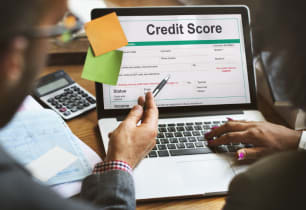
These Simple Steps Can Help You Improve Your Credit Score
Applying for a term loan can be difficult and tedious, not to mention all the different eligibility criteria. Applying for a loan? Be aware of the debt-to-income limit. Business loan? Let’s hope you’re making more than the minimum monthly revenue. Personal loan? Get ready to reveal your annual income.

The Top Personal Loan Providers for Funding Holiday Purchases
‘Tis the season for early holiday gift shopping–and for figuring out how to fund all those expensive purchases.

The Fed wants to raise interest rates—here’s what you should do while they’re still low
Federal Reserve Chairman Jerome Powell has highlighted the possibility of raising interest rates to control inflation as soon as March 2022.
.20200820144125.jpg)
Professional Tips on How to Manage Your Money During Chaotic Times
We gathered four leading professionals on personal finance to discuss the state of the economy, how it affects American households and what you can do to keep your head above water during this high tide.
Lending Club vs. Prosper: Which Lender is Best for You?
Today, there are more lenders and funding options available than ever. From debt consolidation to innovation funding, borrowers look toward these resources for financial help. With thousands of lenders to choose from, how can you tell which one is the best fit for your needs? Compare LendingClub and Prosper, 2 reputable lenders, to see which one comes out ahead in this head-to-head comparison.

5 Ways You Can Rebuild Your Bad Credit Score
Your credit score reflects your financial health, and you probably only notice it when it’s bad. Every adult in the US has a 3-digit credit ranking that shows whether their credit is good or bad. A credit score of over 680 is considered good or excellent, whereas a credit score under 600 is below average. A poor credit score of 580 or lower can seriously affect your life.

Compare These 5 Personal Loan Providers If You Have Bad Credit
Getting a personal loan with bad credit can be tough, but thanks to a few specialist lenders it’s a lot easier than you may think. When a lender assesses a personal loan application, they usually start with the applicant’s credit score. If the applicant has bad credit, this tells the lender there’s a high risk of them not repaying the loan in full.

Consumers Turning to Personal Loans Over Credit Cards
The number of people taking out loans in the US has been steadily on the rise in the years since the mortgage crisis. As the economy recovers, more consumers are avoiding traditional credit alternatives in favor of better deals and safer terms thanks to new loan options.

Compare Recommended Personal Loan Providers for Students
If, like most undergrads, you’re defined as a “dependent student,” you’re entitled to borrow up to $5,500 in federal student loans (also known as Stafford Loans) in your freshman year, $6,500 in your sophomore year, and $7,500 in both your junior and senior years.

Personal Loans 101
From peer-to-peer lenders and micro loan websites to major brick and mortar banks, there are plenty of avenues for you to find your personal loan.
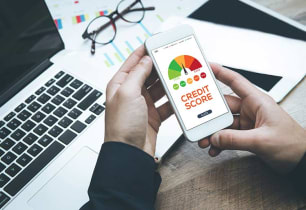
Get the Lowdown on How to Calculate Your Credit Score
If you’ve ever applied for a loan, tried to buy a large item on a financing plan, or have a credit card, you’ll have been asked about your credit score. Your credit score is a way of measuring how financially responsible you are so that banks and other lenders can decide how risky it is to give you a loan.

Top 8 Warning Signs of a Lending Scam
A personal loan is a loan for all seasons, and lenders will let you use them for virtually anything. Planning to consolidate debt, make home improvements, or go on a long vacation? A personal loan isn’t the only way to get funding, but it is generally the simplest and quickest way to borrow at a potentially single-digit interest rate.

These 7 Essential Budgeting Tips Will Help You Save Money for What Really Matters
Having an effective budget means you'll be able to save money and feel more secure so that you can splurge on things like a fancy meal with friends without worrying that it might have pushed you into the red.

How Are Interest Rates and APR Percentages Calculated?
Before you head to the bank to take out a loan for a new car, small business or other investments, take the time to fully understand how your interest rate is calculated. This will help you to better understand your loan terms and conditions with your bank, and put you in a better position to negotiate your rates.

Why Payday Loans Are a Bad Idea and What You Can Do Instead
A payday loan (or cash advance loan) is a high-interest loan that borrowers can turn to when they have an immediate need for cash. Payday loans are usually for small amounts (anything from $50-$1,000), and are offered by non-bank lenders and marketed mainly to low-income customers.

How to Get the Most Out of Personal Loan Interest Rates
Whether it's for purchasing a car or house, consolidating debt or for general expenses, you may be considering taking out a personal loan. Personal loans can be secured or unsecured, at fixed or variable rates, and range from as little as several hundred dollars to $100,000 for major expenses.

Online Personal Loans vs. Traditional Bank Loans: Which is Better for You?
Online lending has become a booming industry in recent years, providing loans to countless people who prefer the ease, speed, and competitive rates of online lenders.

Joint Personal Loans: How They Work, Risks to Know, and When They Make Sense
A joint personal loan lets two people apply and borrow together, which can unlock better rates and higher amounts. Both borrowers are equally responsible for the full debt, regardless of any private agreement between them.

The True Cost of a $10,000 Emergency (And 3 Ways to Avoid High-Interest Debt Traps)
Unexpected home repairs, a surprise medical or dental bill, or a pet who needs emergency surgery rarely arrive at a convenient time, and they almost always come with a price tag.

The Summer Debt Trap: Why 45% of U.S. Households Now Find Summer More Stressful Than the Holidays
If you’re lucky, your summer might be filled with long days at the beach, trips abroad or across the country, and evening ice cream cones.

Do You Have to Pay Taxes on Personal Loans?
Personal loans typically don't create tax complications since they're borrowed money that must be repaid.

Personal Loans: What You Need to Know Before Borrowing
Personal loans offer fixed-rate, fixed-term funding for almost any purpose — here's what to weigh before borrowing.

How Long Does It Take to Get a Personal Loan?
Most personal loans can be approved within minutes and funded within 1–3 business days, especially with online lenders.

Top Reasons to Get a Personal Loan: When and Why It Makes Sense
But with so many financial products available, how do you know if a personal loan is right for you? In this guide, we’ll discuss why people choose personal loans and provide insights into when taking one out can be beneficial—and when you should consider an alternative.

Is a Vacation Loan a Smart Way to Finance Your 2026 Getaway?
Vacation loans promise immediate access to experiences you'll remember forever, but what lenders don't emphasize is that your payments continue long after your tan fades.

Should You Take a 401(k) Hardship Withdrawal?
A 401(k) hardship withdrawal sounds like an easy fix, but taxes and penalties can eat up nearly a third of what you take out. Before you tap your retirement account, it's worth running the numbers on a 401(k) loan, the SECURE 2.0 $1,000 emergency withdrawal, or a personal loan instead.

The New Debt Trap: When Back-to-School Buy Now Pay Later Crosses the Line
BNPL can make back-to-school shopping feel more affordable, but stacking multiple loans across apps can lead to overdraft fees, credit risk, and missed payments.

Why 44% of Insured Adults Still Struggle with Medical Costs—and How to Bridge the Gap
Having health insurance doesn't guarantee affordable care: 44% of insured adults under 65 say it's still difficult to afford their medical costs. Provider payment plans, HSAs, and personal loans can all help bridge the gap, but each comes with different trade-offs worth understanding first.

Personal Loan vs. 401(k) Loan: Which Should You Use in an Emergency?
A personal loan is often the safer choice in an emergency since a 401(k) loan can trigger taxes, penalties, and repayment problems if you lose your job. Your decision should come down to how stable your employment is and how quickly you can realistically pay the money back.

Childcare Costs as Much as Rent — Can Personal Loans for Childcare Help You Pay?
Childcare costs now exceed median rent in nearly every state, leaving many parents scrambling to cover the gap between what they earn and what care actually costs. A personal loan can work as a short-term bridge in specific circumstances, but exhausting free and subsidized options first is almost always the smarter move.

The 37% Overrun: Why Home Renovation Budgets Fail and How Personal Loans Fund the Difference
Nearly 37% of renovating homeowners spent more than they budgeted last year, often due to hidden structural issues, scope changes, and material price swings. A personal loan can cover the gap quickly without putting your home on the line, but phasing the project or using savings is almost always the cheaper option.

Survey Shows How America’s High Earners Use Personal Loans to Get Ahead
High earners are increasingly turning to personal loans to fund major expenses while keeping their savings and investments intact. BestMoney survey data found that 85% of households earning between $175,000 and $199,000 have used a personal loan for a major expense, challenging the notion that borrowing is primarily a tool for financial hardship.

Do Personal Loans Hurt Credit Scores?
Keeping your credit score up is incredibly important for your personal finances. A strong credit score gives you access to more options when you need credit and access to lower interest rates on any money you do borrow. Your credit score may also be taken into account when you’re looking for housing or even when you apply for jobs.

1 in 10 Americans Plan to Borrow for Travel — Here's How to Do It Smarter This Summer
Financing a summer trip is common, but the tool you choose matters. Personal loans, credit cards, and BNPL all carry different costs and risks. Borrow only what you can repay quickly, and pay off last year's vacation debt before taking on new travel expenses.

73% of Couples Use Debt for Weddings: What You Need to Know Before You Take Out a Wedding Loan
The average U.S. wedding costs around $34,000, and 73% of couples take on debt to cover it. Before you borrow, here's what to know about wedding loans.

The One Hack That Will Instantly Boost Your Credit Score
What if there were something you could do to instantly improve your credit score, possibly by more than 20 points? That something, according to a new TransUnion study, is a debt consolidation loan. Read on to find out how.

What Is an Installment Loan and How Does It Work?
Installment loans let you borrow a lump sum and repay it through fixed monthly payments over a set period. They offer predictable costs and can help build credit, but you risk losing collateral if you can't repay secured loans.

Secured or Unsecured Personal Loans: Which is Right for You?
Secured personal loans are usually better if you want lower interest rates or have poor credit, but they require collateral. The right option depends on your credit score, risk tolerance, and how much you need to borrow.

How Much of a Personal Loan Can I Get?
Most personal loans range from $1,000 to $100,000, but the amount you qualify for depends mainly on your credit score, income, and debt-to-income ratio.

Pros and Cons of Personal Loans: What to Know Before You Borrow
A personal loan can be a smart choice if you need predictable monthly payments, want to consolidate high-interest debt, or qualify for a competitive interest rate. However, if you can’t secure a low APR, already carry significant debt, or have access to lower-cost alternatives (like a 0% balance transfer or home equity loan), a personal loan may not be the best option.

How to Avoid Personal Loan Scams
To avoid personal loan scams, never pay upfront fees, verify the lender’s license, and avoid unsolicited offers. Watch for warning signs like guaranteed approval, pressure to act quickly, and missing contact information. Legitimate lenders never charge fees before approval.

Secured Personal Loans: What They Are and How They Work
Secured personal loans require collateral but offer easier approval and lower rates than unsecured loans. You risk losing your collateral if you default. Best for borrowers with poor credit seeking competitive rates.

What Documents Do You Need to Apply for a Personal Loan?
When you apply for a personal loan, the lender will ask you for several documents to confirm your identity and collect information about your finances.

How to Pay Off a Personal Loan Faster: 8 Proven Strategies
Every extra dollar you pay toward your personal loan principal saves money on future interest and shortens your debt timeline.

Compare Different Secured Personal Loans of 2026
A secured personal loan is called that because the loan is secured by some form of collateral. Unsecured personal loans rely on your personal credit score, financial history, and debt load to determine whether you can be eligible for a loan or not.

The Dos and Don’ts of Taking Out a Personal Loan
Taking out a personal loan can be a smart and highly-effective way to consolidate your debt, which is the most common reason to take out such a loan, or you can also use one to get the funds necessary to pay for a sudden expense. You might need to deal with an emergency, pay for a large household expense, or just cover a temporary personal cash-flow issue.

Personal Loans for Bankrupts: How to Get Back on Your Feet
Declaring bankruptcy used to carry stigma, but today declaring bankruptcy is mainly seen as a necessary step taken to repair financial well-being. While it does afford you a fresh start, it also brings new issues to contend with.

How to Find the Right Loan for You Based on Your Credit Score
Many people seek out personal loans without really understanding the mechanics behind the process. Getting accepted by a lender for a personal loan is determined by several factors, some of which you may not have control over.

Compare 5 Long-Term Personal Loan Lenders
A long-term personal loan is essentially any loan with a repayment period longer than around 3 years. Long-term personal loans usually offer higher loan amounts, lower interest rates, and are frequently secured to some item of collateral, such as your home or your car. Unsecured long-term personal loans will not have lower rates or higher loan amounts because the risk to the lender is still high.

Secured vs. Unsecured Loans in a Nutshell
If you need some extra funds, one of the most important things to know is the best type of personal loan for your needs. When it comes to personal loans, there are 2 major categories that you will come across: secured loans and unsecured loans.

Cover Your Medical Expenses with These Personal Loan Providers
High medical costs can add insult to injury when you're recovering from a medical emergency. Even people who have medical insurance can find themselves struggling with high copays, an insurance company that refuses to pay up, or simply face a long delay until insurance payments are approved.

Personal Loans vs Credit Cards: Which Should You Choose?
Maintaining financial security isn’t just a matter of making all your expenses every month, it also means clearing enough to put some away for a rainy day or for major purchases down the road.

How to Find the Right Loan For You
Now that you’ve decided to take out a loan, how do you decide which type is the right personal loan for you? The first question to ask yourself is, “What is this loan for?” Is it for a small business or personal use? Is it to pay for a big expense, like a wedding or a car, or to cover personal expenditures? Is it to help you buy a home? The loan’s purpose will impact which type of loan is right.

The 7 Recommended Loans for People with Bad Credit
Bad credit can make loan providers wary of lending money to you. Personal unsecured loans, which are the fastest and easiest type of borrowing, might not be open to your credit score but there are other ways to access money if you need it in an emergency, to cover temporary cash flow issues or to pay for a large purchase. Here are 7 of the best types of loans to turn to if you have bad credit.

What It’s Really Like to Take out a Personal Loan: Tips and Tricks From 3 Borrowers
If you haven’t applied for a personal loan before, you may not know what to expect. Thankfully, the process is pretty straightforward at most online lenders. Once you’ve decided on a lender, you usually just have to fill out a quick application. Then, the lender makes a decision and, if you’re approved, deposits funds into your account a handful of days later.