- Home/
- Credit Cards/
- A Guide to Chase Ultimate Rewards®
A Guide to Chase Ultimate Rewards®
This guide explains how Chase Ultimate Rewards® points work, how to earn them, and how to redeem them for the most value in 2026
July 23, 2026
This guide explains how Chase Ultimate Rewards® points work, how to earn them, and how to redeem them for the most value in 2026
July 23, 2026
The Chase Ultimate Rewards® is a rewards program where users can earn Chase Ultimate Rewards® points through their Chase credit cards, which can be redeemed in many ways, including for travel or cash back. You can strategically maximize your earnings and get more value from your rewards through bookings made on the Chase Travel and Dining portals.
Before you pick a rewards card, it helps to compare travel rewards cards side by side so you can match a card's earning categories to how you actually spend. One recent change to know upfront: Chase now uses a variable "Points Boost" model for Chase Travel redemptions instead of a flat percentage bonus, so a point's travel value depends on your card and the specific booking
Chase Ultimate Rewards® is a credit card rewards program available to Chase cardholders. When you make purchases with a Chase credit card, you'll earn Chase Ultimate Rewards® points, which can be redeemed for cash back, gift cards, travel and more.
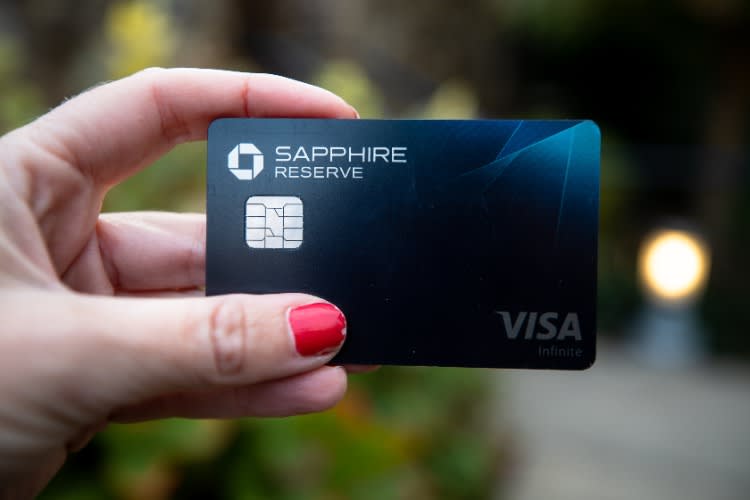
The Chase Ultimate Rewards® program is well-rated because of its flexibility and vast redemption options. Some of the most popular Chase credit cards that earn Chase points include the Chase Freedom Unlimited®, Chase Sapphire Preferred® Card, and the Chase Sapphire Reserve®.
You can redeem Chase Ultimate Rewards® points for cash back, gift cards, travel through the Chase Travel portal, or by transferring them to airline and hotel partners. While not an exhaustive list, here are some ways you can redeem Chase Ultimate Rewards points:
Cash back: You can redeem your Chase Ultimate Rewards® points for cash back. You can request a paper check, have your earnings deposited into a bank account, or apply them as a statement credit to your credit card account. With this redemption method, you can expect a value of $0.01 per point.
Chase Travel bookings: Redeem points for hotels, flights, rental cars, cruises and more through the Chase Travel portal. Points are worth at least 1 cent each, and Chase's variable "Points Boost" can increase that value on select, rotating bookings — up to 1.5x the point value on the Chase Sapphire Preferred® Card and up to 2x on the Chase Sapphire Reserve®
Transfer partners: Some Chase travel rewards credit cards allow cardholders to transfer their Chase points to participating Chase Ultimate Rewards® transfer partners. Once transferred, you can use your rewards to book flights and hotel stays.
You can transfer Chase points to 14 airline and hotel loyalty programs — 10 airline partners and four hotel partners — if you hold the Chase Sapphire Preferred® Card, Chase Sapphire Reserve®, or Chase Ink Business Preferred® Card. Let's explore some hotel and airline loyalty programs that partner with Chase.
Air Canada (Aeroplan): You can transfer your Chase points to Air Canada's Aeroplan program at a 1:1 ratio, then redeem them for award flights through Aeroplan.
World of Hyatt: World of Hyatt is another travel partner you can move Chase points to. Transfer ratios can vary by card and change over time, so check Chase's transfer page for the current ratio before you move points. Hyatt publishes an award chart, so you can verify how many points a free night costs before you transfer.
Virgin Atlantic (Flying Club): You can transfer your points to the Virgin Atlantic Flying Club at a 1:1 ratio, then redeem them for award flights through Flying Club.
Sarah Cash, points advisor at point.me, illustrates why transferring points to travel partners can be a valuable choice:
You could book a hotel like the Park Hyatt Paris-Vendôme starting at 35,000 points per night if you transfer Chase points to Hyatt. Normally, that hotel costs between $1,000 to $2,000 per night. That's a fantastic use of 35,000 Chase Ultimate Rewards points.
You earn Chase Ultimate Rewards® points by making purchases with a Chase credit card, and you can earn faster with bonus categories, shopping portals, and welcome offers. Here are some tips to help you earn more Chase Ultimate Rewards® points:
The easiest way to earn Chase Ultimate Rewards® points is by making purchases with Chase credit cards. Most of them allow you to earn at least one point per dollar spent. But many Chase credit cards offer bonus rewards in select spending categories. Co-branded cards like the Southwest Rapid Rewards® Priority Credit Card and the United Explorer Card don't earn Chase points. Instead, they earn rewards through the partner's loyalty program.
By being strategic when using your credit cards, you can maximize the rewards you earn. Consider which credit card will offer the most rewards every time you buy something. If you have credit cards that earn bonus rewards in select spending categories, make sure the bonus categories align with your top spending categories to boost your rewards potential.
Want to maximize your earnings? Sarah Cash, points advisor at point.me, shared:
The most important thing to consider when looking to earn more points is whether you're earning the most points per dollar on the categories where you spend the most. So, for example, if you do a lot of online/miscellaneous shopping, a card that earns 2 points per dollar on all purchases may be the best fit. Look at what credit cards earn points on the things you spend money on, and get that card.
Yes, you can earn extra Chase Ultimate Rewards® points by starting your online purchases through Shop through Chase, the program's shopping portal. When you click through to a participating retailer from the portal and complete a purchase, you earn bonus points on top of what your card already earns on the transaction. Bonus rates vary by retailer and change often, so it's worth checking the portal before you buy.
A great way to maximize your rewards potential is to take advantage of welcome bonus offers. If you're considering applying for a new Chase credit card, check if a welcome offer is available. You can earn bonus points by meeting the minimum spending requirements within the offer timeline. You can earn Chase Ultimate Rewards® points faster thanks to bonuses like this.
Related: Chase Sapphire Preferred Review
You get the most value from Chase points by comparing redemption options, combining points on a premium card, using Points Boost for travel, and watching for transfer bonuses. Here are a few tips to redeeming your Chase Ultimate Rewards® points effectively:
Explore all your options before redeeming your Chase Ultimate Rewards® points. Some redemptions provide greater value, which can allow you to stretch your points further. Here's an example: Many travelers avoid cash back redemptions. Instead, they transfer their points to Chase Ultimate Rewards® transfer partners to get more value from their rewards. The Chase Sapphire Preferred® Card, Chase Sapphire Reserve®, and the Chase Ink Business Preferred® are the only Chase credit cards that can access Chase's travel transfer partners.
Deryn Rusell, luxury travel and credit card rewards expert and founder of Inside the Upgrade, shares why Chase's travel partners are so valuable:
You can transfer Chase points to 14 different hotel and airline partners, which is incredibly valuable. An Air France business-class flight might cost $3,000, or close to 300,000 points to book in the Chase travel portal. But that same flight probably costs around 60,000 points to book directly through Air France. Because Chase lets you transfer your points to partners (like Air France), all of a sudden you're getting way more value for your points.
You can combine points between Chase credit card accounts. If you have the Chase Sapphire Preferred® Card, Chase Sapphire Reserve®, or Chase Ink Business Preferred® Card, moving your points from other Chase cards to these cards can be advantageous. You can do this within your account through the "Combine Points" tool.
Doing this can allow you to get more value from your points when booking through the Chase Travel portal. Plus, you have the ability to redeem your rewards with Chase Ultimate Rewards® travel partners.
Points Boost changes how much your points are worth when you book through Chase Travel, replacing the old flat bonus with a variable rate. Every point is worth at least 1 cent in the portal, and on select, rotating bookings Points Boost can increase that value — up to 1.5x the point value on the Chase Sapphire Preferred® Card and up to 2x on the Chase Sapphire Reserve®. Because the boost applies only to eligible bookings, it pays to check the offered rate before you redeem.
Occasionally, travel partners promote transfer bonuses, allowing you to earn bonus rewards. For example, if an airline partner promotes a 25% transfer bonus, and you transfer 100,000 Chase points to its rewards program, you'll get an additional 25,000 points. You'll end up with 125,000 points after the transfer, even though you only transferred 100,000 points. Transfer bonuses can help you maximize the value of your Chase Ultimate Rewards®.
Related: Chase Sapphire Reserve Review
A Chase Ultimate Rewards® point is worth about 1 cent as cash back and often more when you book travel or transfer to partners. The table below shows approximate point values by redemption method.
Redemption method | Approx. value per point | Notes |
Cash back or statement credit | ~$0.01 | Same value regardless of card |
Chase Travel — Chase Sapphire Preferred® Card | At least ~$0.01; up to 1.5x via Points Boost | Variable boost on select, rotating bookings |
Chase Travel — Chase Sapphire Reserve® | At least ~$0.01; up to 2x via Points Boost | Variable boost on select, rotating bookings |
Transfer to airline or hotel partners | Varies; can exceed portal value | Depends on award availability and partner |
Values are approximate and set by Chase; the portal and transfer figures apply only to the cards that unlock them.
What Chase Ultimate Rewards® means for you depends on how you plan to use your points, so the right approach differs for a cash-back user versus a travel optimizer.
If you want simplicity, cash back or statement credits give you a steady 1 cent per point with no travel planning required. A no-annual-fee card like the Chase Freedom Unlimited® can fit this style, since you can redeem points as cash without tracking award charts.
If you're focused on stretching every point, a premium card unlocks more value. The Chase Sapphire Preferred® Card, Chase Sapphire Reserve®, and Chase Ink Business Preferred® are the cards that let you transfer points to Chase's 14 airline and hotel partners, where award redemptions can be worth well above the cash-back rate.
Your next step is to match a card to your spending and redemption goals, then confirm the current terms before you apply. Start with the card comparison linked in the introduction to see travel rewards cards side by side. From there, review the details of the two cards that unlock transfer partners using the Chase Sapphire Preferred and Chase Sapphire Reserve reviews linked above. Because point values and transfer ratios change, check Chase's own program pages for the latest rates before you redeem.
You can access the Chase Ultimate Rewards® portal by logging into your credit card account through the Chase website or mobile app. Once logged in, you can redeem your rewards in multiple ways.
The value of Chase Ultimate Rewards® points varies depending on which credit card you have and the redemption method you choose. Generally, you can expect a starting value of around $0.01 per point, so 50,000 Chase points would be worth $500. But you can maximize the value of your rewards with premium Chase cards like the Chase Sapphire Preferred® Card.
Yes, you can redeem Chase Ultimate Rewards® points for cash or a statement credit to your account. You can expect a value of $0.01 per point when redeeming your Chase points for cash.
No. Your Chase Ultimate Rewards® points do not expire as long as your qualifying Chase credit card account stays open and in good standing.
This guide was written by Natasha Etzel, a personal finance writer who covers credit cards and rewards programs, and reviewed by BestMoney's editorial team. To keep the guidance accurate and current, we cross-checked program details against Chase's own published terms and drew on interviews with two independent points-and-miles specialists: Sarah Cash of point.me and Deryn Rusell of Inside the Upgrade. Our editorial team evaluates rewards programs based on how they earn, redeem, and transfer in practice, so readers can make informed decisions.
To research this article, we relied on Chase's official Ultimate Rewards program pages for current point values, redemption methods, transfer partners, and transfer ratios, including the Points Boost benefits guide and the how-to-transfer-points reference. We also incorporated on-the-record commentary from two named travel-rewards experts, Sarah Cash (point.me) and Deryn Rusell (Inside the Upgrade). This guide relies on these secondary and expert sources rather than a proprietary BestMoney dataset.
Chase — How Our Program Works (base point value, earning, points expiration)
Chase — Points Boost benefits guide (Chase Travel portal values and Points Boost)
Chase — How to transfer Ultimate Rewards points (14 transfer partners, Hyatt transfer ratios)
Sarah Cash, points advisor, point.me
Deryn Rusell, founder, Inside the Upgrade
Disclosure: Non-Monetized. The information related to Chase Ultimate Rewards® was collected by Bestmoney.com and has not been reviewed or provided by the issuer of this product. Product details may vary. Please see the issuer website for current information. Chase does not receive commission for this product/card.
Editorial disclosure: The credit card offers and information presented on this page are current as of the published date. However, credit card terms, including APRs, fees, and promotional offers, are subject to change without notice. Some offers listed may no longer be available or may have expired. Please refer to the issuer's website for the most up-to-date terms and conditions.
Natasha is a financial writer specializing in credit cards and credit card rewards. Her work has appeared in numerous publications, including NerdWallet, The Motley Fool, and Fast Company.