
Best Online Will Makers of 2026: Compare Prices, Documents, and Attorney Access
The best online will maker depends on how you want to pay and whether you need a lawyer. FreeWill covers a simple will at no cost, Quicken WillMaker & Trust charges a one-time fee, and LegalZoom Premium adds a year of attorney calls. Check yearly update fees and your state's signing rules before you buy

Best Coupon Apps of 2026: Where to Find Deals That Actually Work
The best coupon apps of 2026 match how you shop: a code finder like Capital One Shopping or RetailMeNot Rewards for online checkout, a store app for your regular grocery or pharmacy, and a rebate app like Ibotta. Honey faces a pending class action, and Dosh and Shopkick have shut down, so cash out rewards regularly

Best Warehouse Clubs and Memberships Worth the Money in 2026
Based on fees, rewards, and footprint, Costco, Sam's Club, and BJ's are the warehouse clubs we recommend weighing this year. The big question for most shoppers is whether a Costco membership is worth it, and how the other two compare. Pairing club trips with cash-back credit cards can stretch every dollar further

Best Job Search Apps of 2026: 10 Picks Compared
The best job search apps for you in 2026 depend on your situation, but most people should run a small stack of two or three rather than chase every one.

How to Cancel Subscriptions: Find and Stop Forgotten Charges
This guide explains how to cancel subscriptions you no longer want, find the ones you forgot, and stop charges that keep coming. BestMoney's 2026 subscriptions survey

The Best Subscription Manager Apps of 2026
Subscriptions add up quietly, and most people underestimate how many they're paying for. A subscription manager app works like a dashboard for your recurring bills — it surfaces charges before they quietly stack up.

What Is Zero-Based Budgeting? A Step-by-Step Guide (With Examples)
Learn what zero-based budgeting is, how to build one in five steps, and see a clear example that puts every dollar to work.
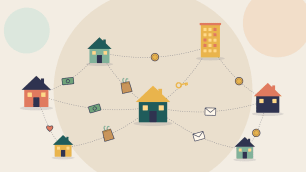
The Informal Support Economy: How Financial Struggles Are Reshaping Relationships
Americans are propping each other up with money they can't always spare, and almost none of it is written down.

Winter Financial Planning: Budgeting for Heating, Utilities, and Seasonal Expenses
Winter has a sneaky way of turning “normal” monthly spending into a higher-stakes game: heating runs longer, lights stay on earlier, driving costs creep up, and seasonal plans like gifts, travel, and school breaks land all at once.

Guide to Financial Product Comparison Tools
A financial product comparison tool is a website that pulls rates, fees and terms from multiple banks, lenders and insurers into one table so you can compare them side by side. NerdWallet, Bankrate, WalletHub and BestMoney all do this. They are free to use because lenders pay them when you click through and apply, which is the single most important thing to understand before you trust one.

Best Travel Budget Apps for 2026
Our top picks include TravelSpend (well-suited for most travelers), Goodbudget (a strong free option), and Splitwise (popular for group travel). Here's how we narrowed the field.

Best Budgeting Apps for Teens in 2026
Compare the 7 best budgeting apps for teens in 2026 — using the Independence Dial framework. Includes verified pricing, credit-building facts, and age-based recommendations.

Americans Are Asking AI for Money Advice — But Should They Trust It?
Artificial Intelligence (AI) is continuing to develop rapidly. What began as a digital Q&A toy for simple questions has turned into a full-blown virtual assistant prepared to answer your most in-depth financial questions.
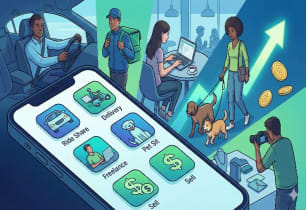
The 12 Best Side Hustle Apps of 2026 (Ranked by Real Earnings)
DoorDash leads for fast cash, Upwork wins for skilled work, and Rover dominates for pet lovers.

10 Financial Literacy Games for All Ages (2026)
From the U.S. Mint's coin activities to Visa's Financial Football and the SIFMA Foundation's Stock Market Game, we compiled this roundup to help educators, parents, and learners find age-appropriate money games that actually work.
8 Best Financial Education Apps in 2026
Our top picks include Monarch Money, YNAB, and Credit Karma—three apps that combine practical budgeting features with clear financial education to help you build lasting money habits.

The 10 Best Finance Websites of 2026: A "Signal-to-Noise" Ranking
In an era where "financial advice" is often reduced to 15-second TikTok clips and sensationalist headlines, finding trustworthy, high-utility financial information is a legitimate competitive advantage.
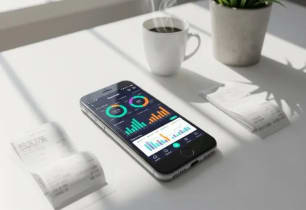
The Best Expense Tracker Apps of 2026
Our top three picks — YNAB, Quicken Simplifi, and Monarch Money — emerged from an editorial comparison of consumer expense trackers evaluated on price, free tiers, bank sync, platform support, and household-sharing options.

Best Money Saving Apps for Groceries in 2026
Ibotta, Fetch Rewards, and Flashfood lead our 2026 comparison of grocery savings apps, each chosen after hands-on testing and matched to a distinct way of shopping so you can trust which pick fits you.
Best Money Saving Apps for Shopping in 2026
Our shortlist is led by 0 for online cashback, 1 for groceries, and 2 for automatic coupons — ranked after hands-on testing and side-by-side comparison of payouts, retailer coverage, and current operating status.

Best Budgeting Apps for Couples in 2026
The best budgeting apps for couples in 2026 include Monarch Money (best overall for joint finances), YNAB (best for zero-based discipline

Best AI Budgeting Apps in 2026
The best AI budgeting apps in 2026 include Monarch Money (best for couples), YNAB (best for zero-based budgeting), Cleo (best for beginners who avoid their finances), Rocket Money (best for subscription tracking), Copilot (best AI depth, iOS only), Origin (best for wealth planning), and Empower (best free option).
Best Debt-Payoff Platforms and Tools for 2026
You stare at five credit card statements spread across your kitchen table. $23,000 total. Minimum payments eat $680 monthly, but the balances barely move.

Best Money Management Apps for Kids in 2026: Complete Guide for Parents
Teaching children financial literacy through digital money management apps has become essential in 2025, with over 73% of parents using fintech tools to educate kids about money (JumpStart Coalition for Personal Financial Literacy).

5 Best Wedding Budget Apps of 2026
We evaluated 5 wedding budget apps across 7 criteria — Zola, WeddingWire, and MyWed stood out in our rankings for 2026.

Best Cash Back Apps for Receipts of 2026
After evaluating 7 receipt-scanning apps, our top picks are Fetch, Ibotta, and Receipt Hog — each suited for different shopping styles and earning goals.

Best Money Saving Apps for Students (2026)
We tested and compared the top budgeting, savings, and subscription-management apps — YNAB, Goodbudget, and Rocket Money among them — so you don't have to.

The Rise of AI in Car Insurance Shopping: Why Drivers Are Ditching Endless Tabs for Chats
Buying car insurance has long been a notoriously painful process. For most drivers, it involves deciphering complex industry jargon, filling out repetitive forms, and bouncing between multiple browser tabs to compare inconsistent quotes.

Best cash-back apps in 2026
Search "best cash-back apps" and you'll get a hundred articles that read like the same article. They explain what Ibotta is. They explain what Rakuten is. They tell you to "cash out your earnings." Useful if you've never heard of any of this, mostly noise if you have.

Best Budgeting Apps for College Students in 2026
The best budgeting apps for college students in 2026 include YNAB (free for one year with student verification — the highest-value deal in personal finance), Goodbudget (best free

Over Half Of Americans Are Overspending On Summer Travel, Survey Reveals
Summer travel used to feel simple — pick a destination, book a flight, and go.

Best Gas Saving Apps in 2026
The best gas saving apps in 2026 include GasBuddy (best for finding cheapest prices + pay-at-pump discounts), Upside (best cashback app, average $254/year saved), Checkout 51 (best for stacking with other apps), and Waze (best for route-integrated price comparison).
8 Best Money-Saving Apps for October 2026
Money-saving apps can help you automate your finances, track spending, and build savings with minimal effort. In a world where money seems to slip through your fingers, technology offers a helping hand. Saving money requires discipline, but modern apps can make the process almost effortless.

What Is the 50/30/20 Rule? A Simple Guide to Budgeting
The 50/30/20 rule is a simple budgeting method that divides your after-tax income into three categories: 50% for needs, 30% for wants, and 20% for savings.
The Best Budget Apps for 2026
Managing money shouldn't feel like solving a complex puzzle. Yet 64% of Americans live paycheck to paycheck, often because they lack visibility into where their money actually goes.

We Tested 7 Credit Monitoring Services: Here Are The Best for 2026
The best credit monitoring services in 2026 offer real-time alerts, three-bureau coverage, and identity theft protection.

Report: The Cities and Suburbs Where Women Make More Money Than Men
For decades, the conversation surrounding pay equity has seemed to follow a similar script: Men earn more than women. While the pay gap hasn’t disappeared, it hasn’t stood still either. All across the U.S., there have been shifts in education, industry diversity, and more that has changed earnings among men and women.

Report: Where Starter Homes Are Becoming Nearly Impossible to Find
The modern housing market has reshaped what it means to be a first-time home buyer. From house flippers to downsizers, the houses that once served as entry points for first-time buyers are increasingly hard to find. While price points and market dynamics vary from one city to another, one thing remains constant — starter homes seem to be disappearing.

12 Ways to Save More Money in 2026 (Even When Money Feels Tight)
Saving more in 2026 doesn’t require a total lifestyle overhaul, just a few repeatable moves that help you earn more on your cash and spend less by default.

Savings Account Rate Forecast for 2026
With the Fed’s target rate now at 3.50% to 3.75%, savings yields may shift in 2026, but smart account choices can keep returns strong.

8 Smart Reasons to Use Your Emergency Fund (and When Not To)
Most financial experts recommend storing three-to-six months of expenses in an accessible savings account in case of a financial crisis — like unemployment or an unexpected expense.

How to Create a Budget You'll Actually Stick To
Most people create budgets with the best intentions, only to abandon them within weeks.

How Couples Can Save Together Without Fighting About Money
If every “quick money question” somehow turns into a tense conversation, you’re not alone.

How to Track Your Spending Without Losing Your Mind
Tracking your spending doesn't mean recording every penny or becoming a spreadsheet obsessive.

5 Steps to Building an Emergency Fund
An emergency fund acts as your financial safety net, providing peace of mind and protecting you from debt when unexpected expenses arise.

How to Save Money Fast: 15 Proven Strategies That Work in 30 Days
You don’t need extreme budgeting, just a focused plan you can actually follow for the next four weeks.

How Much Should You Save Each Month? Creating a Realistic Budget
Most people abandon their budgets within a few weeks because they're too restrictive, complicated, or unrealistic.

Why You Need an Emergency Fund and How to Start One
Without an emergency fund, a single car repair or medical bill can force you into debt or make you choose between paying bills and covering essential needs.

How to Build Savings into Your Monthly Budget
Most people approach saving backward.

Automated Savings: The Easiest Way to Build Your Financial Future
Building wealth doesn't require complex investment strategies or perfect budgeting skills.

Retirement Planning 101: How Much Should You Save?
Most Americans will need their retirement savings to last 20-30 years, yet many don't know how much to save.

How Much Should You Save for Your Child's Education?
Planning for your child's education costs can feel overwhelming, especially when you're already juggling everyday expenses and your own financial goals.

Financial Milestones by Age: What to Aim for in Your 20s, 30s, 40s, and Beyond
Your career timeline, family situation, income level, and personal goals will shape your unique financial story.

How to Save for a House in 5 Years (or Less)
With the right strategy, you can accumulate enough for a down payment, closing costs, and moving expenses in five years or less.

How to Set SMART Financial Goals That Stick
The difference between wishful thinking and actual financial success lies in how you structure your goals.

How to Use Your Year-End Bonus Wisely
A year-end bonus can feel like financial breathing room.

Holiday Scams to Watch Out For: Protect Your Wallet This Season
The holiday season brings increased spending, online shopping, travel, and charitable giving. It also brings an increase in scams. Criminals know that people are busier, more distracted, and more willing to spend money quickly during this time of year. As a result, holiday scams become more frequent and more convincing.

High Fraud Season: How to Protect Your Money During the Holiday Rush
The holiday season is a time of increased spending, travel, and online activity. Unfortunately, it is also the most active fraud season of the year. As shoppers rush to buy gifts, donate to charities, and take advantage of seasonal deals, scammers take advantage of higher transaction volume and lowered vigilance.

Post-Holiday Debt Management: How to Take Control of Credit Card Debt and Restore Financial Health
The holidays often bring joy, generosity, and memorable experiences. But for many people, they also bring credit card balances that linger long after the decorations come down. Even those who planned carefully can feel overwhelmed when January statements arrive and minimum payments start stacking up.

New Year, New Budget: Post-Holiday Budget Tips to Refresh Your Finances
The holidays are magical—filled with celebrations, time with loved ones, and yes… significant spending. Even with careful planning, many people find themselves staring at credit card statements and drained savings accounts come January. That’s where a new year budget reset becomes essential.

Getting Back on Track Financially After Winter Break
Winter break can be a budget stress test. Between travel, gifts, extra meals out, and kids being home more (snacks seem to multiply), spending often runs higher than usual.

Traveling With Kids Over Winter Break? Here’s Your Smart Spending Guide
Family trips have a special talent for turning “reasonable” into “how did we spend that?” because kids add urgency to every decision.

Charitable Giving Deadlines: How to Maximize Donations Before Year-End
Year-end giving can be a win-win: you support causes you care about, and your donation may count for this tax year if you meet the timing and documentation rules.

Winter Emergency Fund: Why It’s More Important Than Ever
An emergency fund is money you set aside for expenses you didn’t plan for and can’t avoid.

Credit Utilization Explained: Why It Matters
Your credit utilization ratio accounts for 30% of your credit score and can be improved faster than almost any other credit factor.

The Impact of Paying Off Debt on Your Credit Score
Paying off debt should improve your credit score, right? While this is usually true, the relationship between debt payoff and credit scores is more complex than many people realize.

How to Rebuild Credit After a Financial Setback
Whether you've faced bankruptcy, foreclosure, job loss, or overwhelming medical bills, the path back to good credit might seem impossible.

What Is a Good Credit Score (and How to Get There)?
More than just a three-digit number, a good credit score is a powerful financial asset that can save you thousands of dollars over your lifetime by unlocking the best terms on loans and insurance.

The Holistic Guide to Family Budgeting Apps:
When you search for the best budgeting apps, you are often met with a standard roster of tools designed for the individual optimizer or the debt-focused single payer. Articles like those found on U.S. News & World Report do an excellent job of categorizing apps by financial standing—telling you which app is best if you are in debt, or which is best if you are an investor.

Top 8 Financial & Mental Wellness Apps
Your financial health and mental wellbeing are deeply connected. When money stress weighs you down, it affects every aspect of your life. But here's the good news: you don't need expensive financial advisors or complex spreadsheets to take control.

5 Best Finance AI Chatbot
AI chatbots are increasingly common in personal finance, offering instant responses to banking questions and automated financial insights.
10 Best Personal Finance Podcasts
As the fiscal landscape shifts like seasons through your life, you'll need reliable guides to navigate its terrain. Personal finance podcasts offer wisdom from experts who've mapped the money maze before you.

How to Build Credit from Scratch: A Complete Beginner's Guide
If you are stuck in the "need credit to get credit" loop, don't worry—there are proven, accessible ways to build your score from scratch responsibly.