
How the Fed Rate Hike Affects Your Money
The Federal Reserve's first rate hike since 2023 may nudge consumer borrowing costs up while offering savers a mild boost. Here’s what to watch and how the rate hike could impact you, whether you’re a borrower, a saver, or both.

72% of Gen Z Prefer Online Banks: Our Survey Reveals
Are traditional banks keeping up with the times? As the world becomes increasingly digital, younger generations demand banking solutions that align with their tech-savvy lifestyles. Gen Z, born between 1997 and 2012, is at the forefront of this digital banking revolution.
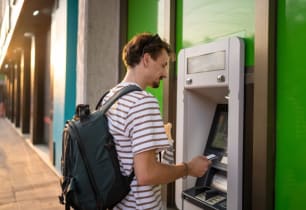
ATM Withdrawal Limits: How Much Can You Withdraw Per Day?
An ATM withdrawal limit is the maximum amount of cash you can take out from an ATM within a 24-hour period.

Bank vs. Credit Union: What's the Difference and How to Choose
Choosing between a bank and credit union means weighing personalized service against modern convenience. Here's what you need to know.
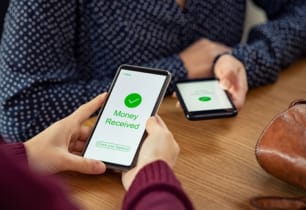
How to Transfer Money From One Bank to Another (6 Ways)
If you need to move money between two banks, your options range from free (but slower) to fast (but sometimes expensive).

What Is the Difference Between Saving and Investing — and When Should You Do Each?
Most Americans are falling behind on both saving and investing — and the gap between where they are and where they need to be is wider than you might think.

Why You Still Need a Savings Account, Even When Rates Feel Low
Most people know they should have a savings account. Far fewer know what it's actually protecting them from, or how much they're leaving on the table by not shopping around.

How to Close a Bank Account
Thinking of closing your bank account? Whether you're switching to a better bank, simplifying your finances, or moving to a new location—closing an account requires more than just hitting “close” online.

What Is Overdraft Protection and How Does It Work?
If you spend more money than you have in your checking account, your balance will go negative, and your bank will charge you an overdraft fee. Overdraft protection is a feature offered by many banks to help you avoid these fees by covering transactions when your account is overdrawn.

MMA vs. CD Accounts: Which Should Be Your Choice?
Certificates of Deposit (CDs) and Money Market Accounts (MMAs) can be excellent options for those looking to earn more interest on their savings. However, in order to know which product is right for you, it’s important to learn about the pros and cons of each, as well as any possible strings it may come attached to.

How to Choose the Best CD for Your Savings Goals
If you're looking to save your money, you should consider using a Certificate of Deposit, or CD account. CDs are increasingly popular and for good reason. They are savings funds that promise a higher, fixed rate of interest, in exchange for locking your money away for specific amounts of time. Here’s everything you need to know about choosing a CD.

How To Open A Bank Account: Everything You Need
You can streamline opening a bank account by collecting the necessary identification documents, preparing financially to fund the account, and choosing the best account and bank for your financial objectives.

How We Rate and Select Top Online Banks and Financial Institutions
We’ve created the following process to identify the most suitable online banking companies for your needs and deliver on our mission to help you make informed decisions.
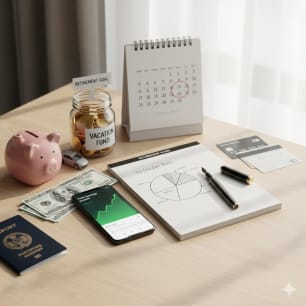
Simple Savings Calculator
Use our savings calculator to help plan your financial goals. Calculate how your savings could grow with different deposit amounts, interest rates and time periods.

Definition of Emergency Fund: What It Is, Why It Matters, and How To Build One
An emergency fund is what stands between an unplanned expense, like a $2,800 transmission repair or a $1,200 plumber bill for a burst pipe, and a financial spiral.

Most Americans Are Missing Out on AI Banking Features — Are You One of Them?
Most people bank online every day but have no idea their app already uses AI to predict balances, flag fraud, or find savings. This survey looks at why that awareness gap exists and what it's costing people.

What Is Reverse Budgeting and How Does It Work?
Saving what's left over after expenses rarely works because present bias and lifestyle creep quietly absorb whatever remains. Reverse budgeting automates savings the moment you get paid, removing the willpower required to make traditional budgeting stick.

What Is Lifestyle Creep? How to Stop Spending More as You Earn More
.

Why Your Banking Setup Matters More Than Your Starting Salary
Income alone doesn't build wealth; consistent automation does, since small leaks like late fees and idle cash quietly cost more than people realize. A simple three-account "wealth flywheel" of checking, savings, and investing can help even entry-level earners build momentum without relying on willpower.

How Online Banks are Changing How Couples Manage Money
More couples are favoring "coordinated separation" over fully merging finances, using tools like digital buckets, sub-accounts, and view-only access. The right setup depends on income parity and comfort level, but a clear spending threshold and regular check-ins matter most.

Managing Your Aging Parents' Money: What to Set Up Before You Need It
Setting up financial guardrails like trusted contacts, account alerts, and a durable power of attorney before a crisis hits protects your aging parents' money without taking away their independence.

How to Choose the Right Online Bank for You
So, you’ve decided to open an account with an online bank? Online banks offer many benefits over regular banks, including more convenience, lower fees, and no waiting in lines.

How Frictionless “Tap to Pay” Payments Are Changing Spending Habits
Frictionless payments like tap to pay reduce the psychological "pain of paying," making it easier to overspend. Understanding how digital payments affect your brain can help you budget smarter and choose the right online banking tools.

80% Feel Worse After Extreme Budget Cuts—Here Are Better Alternatives to No-Spend Months
No-spend bans create an all-or-nothing mindset that often leads to rebound spending and burnout. And the data backs it up—80% of households that made the most aggressive cost-cutting changes actually felt worse off financially, according to a 2025 Federal Reserve analysis.

Married but Financially Independent: Why More Couples Are Ditching the Joint Account
The share of couples with no joint accounts has grown from 15% to 23% since 1996. Joint, separate, or hybrid—the right system depends on your income, habits, and goals.

When You Pass, Your Online Bank Account Doesn’t: What Families Need to Know About Accessing Digital Accounts
Online bank accounts don't automatically transfer to family when someone dies. They're frozen until the right legal authority is established. Naming a beneficiary is the simplest way to spare loved ones a costly, time-consuming probate process.

Pros and Cons of Online Banking
Online banking offers higher interest rates, lower fees, and convenient digital tools — but it also comes with tradeoffs like limited in-person service and potential ATM restrictions. Understanding the pros and cons of online banking can help you decide whether a digital-only bank fits your financial needs.

When Should You Use Your Emergency Fund?
You should use your emergency fund only for urgent, unavoidable expenses that protect your financial stability—such as job loss, medical emergencies, or critical home and vehicle repairs. Discretionary purchases like vacations or lifestyle upgrades generally do not qualify as true emergencies.

How to Apply and Qualify for Second Chance Banking
Second chance banking allows you to open a checking account even if you’ve been denied by traditional banks due to past overdrafts, unpaid fees, or negative ChexSystems records. While these accounts may include higher fees or restrictions, they provide an opportunity to rebuild your banking history and regain financial stability.

What’s the Typical Minimum Balance for Online Savings Accounts?
Most online savings accounts do not have a minimum balance requirement to keep the account open or avoid monthly fees. While some may require a small opening deposit, typically between $1 to $100, this is becoming less common. In contrast, traditional brick-and-mortar banks often require a minimum daily balance of $300 or more to waive fees.

Where Can I Exchange Foreign Currency?
Getting your hands on foreign currency doesn't have to be complicated or expensive—you just need to know where to look.

Best Student Bank Accounts in 2026
The best student bank accounts in 2026 offer no monthly fees, low or $0 minimum deposits, and strong mobile banking tools.

Enjoy the Best of Both Worlds with a Money Market Account
A money market account is a type of savings deposit that combines higher interest rates with flexible access to your funds. Offered by banks and credit unions, it’s ideal for savers who want better returns than a standard savings account — without giving up liquidity.

How Many Bank Accounts Should I Have?
While juggling multiple accounts can seem daunting, a strategic "bucket" system can help you stay organized, maximize interest, and ensure your funds are protected.

How to Transfer Apple Cash to Your Bank Account: Step-by-Step Instructions
From coffee runs to splitting bills, Apple Cash has changed how we handle day-to-day expenses.

Why You May Need a Separate Business Checking Account
Managing your business and personal finances through the same account might seem convenient, but it could be holding your business back.

How To Open A Savings Account For A Child
Whether you’re stashing birthday cash, building an allowance habit, or setting up a “first money” system, the right account makes it easier to teach real-world money skills.

Simple Interest vs. Compound Interest: What's the Difference?
Interest is the cost of borrowing money or the return you earn for saving or investing, usually expressed as a percentage. But interest comes in different forms, so it’s important to understand how charges apply before signing up for any loan or investment.

What Is a High Yield Savings Account and How They Work?
Whether you’re just entering the workforce or getting ready to retire, it’s important to have a rainy day fund where you can sock away some of your hard-earned cash. A high yield savings account may be just what you need to help you store money thanks to its combination of liquidity, return on investment, and cost.

What Is Annual Percentage Yield (APY)?
You may notice if you’re shopping for a savings account that banks advertise both an interest rate and an annual percentage rate, or APY. While an account’s interest rate can give you a basic idea of how much you can earn on your deposits, its APY gives you a better picture of your potential returns.

What Is a Savings Account and How Does it Work?
A savings account is a type of bank account that allows you to store your money in a safe place and earn interest. The rules and interest rates vary from bank to bank. Some savings accounts require a minimum balance, while others don’t have any requirements.
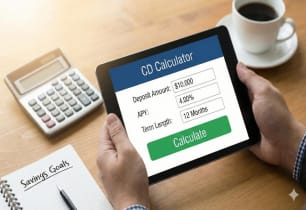
CD Calculator
Use our CD calculator to estimate how much you could earn from a certificate of deposit. Enter your initial deposit, CD term, and APY to see your potential earnings on your CD at maturity.

What Is a Virtual Wallet and How Does It Compare to Online Banking?
Digital payments are changing how we spend money, with virtual wallets quickly becoming the go-to method for many.

Is Online Banking Safe? Know the Risks and How To Protect Yourself
Online banking is the new standard, and beyond being convenient, it's also relatively safe. However, there are risks involved in digitally sharing your personal and financial information. Here's what you need to know to keep your money safe the next time you bank online.

How to Switch Banks: A Step-by-Step Guide
Switching banks can be daunting, but sometimes it's necessary to find better services, lower fees, or improved customer support.